



Key takeaways:
-
ETFs, treasuries, and macro tailwinds may snap Bitcoin’s four-year boom-and-bust pattern.
-
A bearish phase should not be ruled out before new all-time highs.
Bitcoin (BTC) has historically moved in four-year cycles tied to its halving events, with prices typically peaking 12-18 months after each supply cut before sliding into a prolonged bear market.
This time was no different. Bitcoin peaked near $126,200 in October, exactly eighteen months after the April 2024 halving, before declining by more than 30%.
The trend aligns with the early stages of past bearish phases, prompting veteran analysts such as Peter Brandt to see Bitcoin falling toward $25,000 in the coming months.
Bitcoin traders are selling at losses
João Wedson, founder of onchain analytics firm Alphractal, pointed to the Spent Output Profit Ratio (SOPR) Trend Signal, a metric signaling the end of Bitcoin’s bull market.
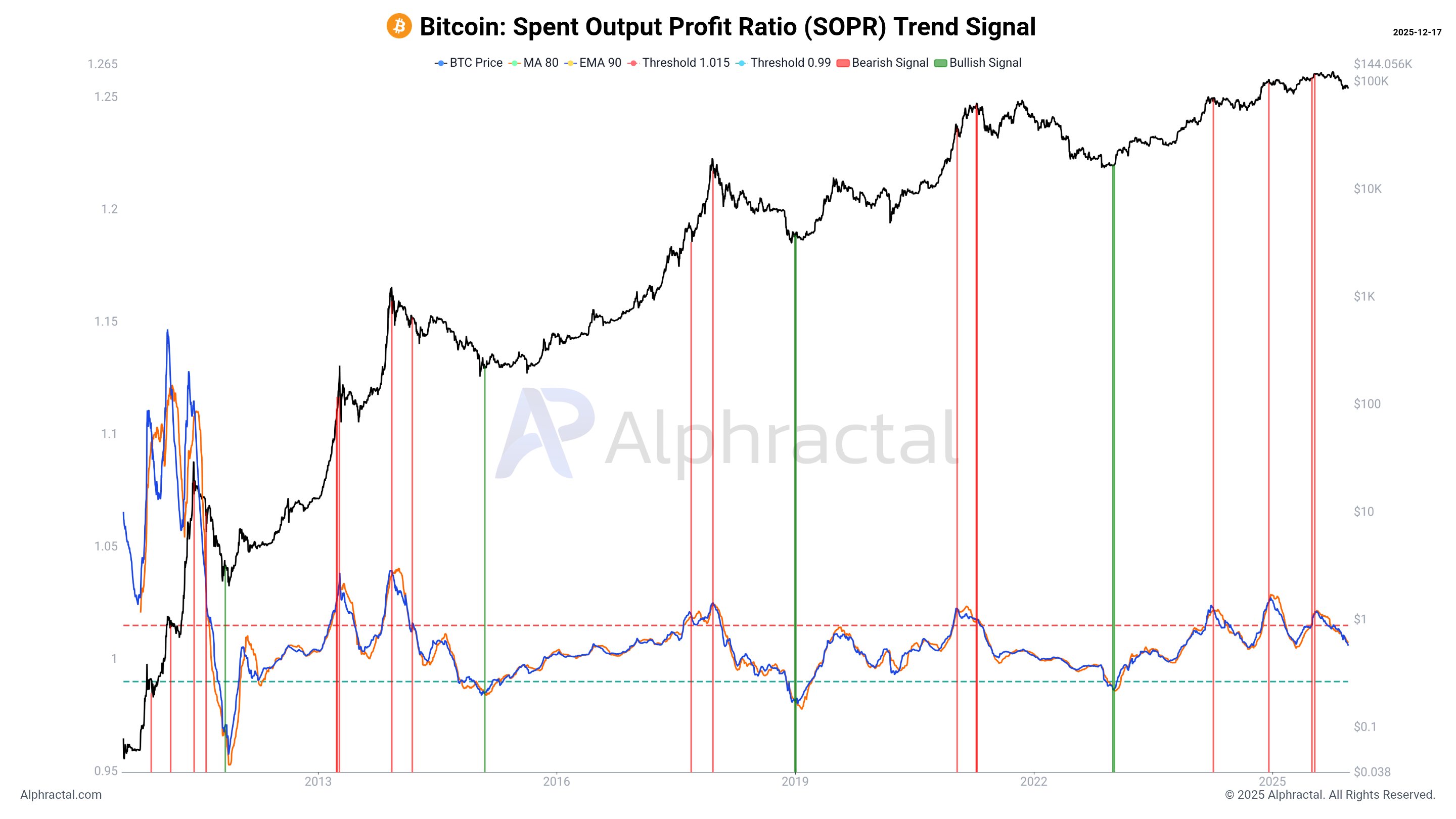
Historically, SOPR marked market turning points by tracking shifts between profit-taking and loss-driven selling.
In bull markets, SOPR stayed above 1 as coins were sold at a profit, often preceding local tops. Near the bottom, it fell toward or below 1, signaling a realization of loss.
A sustained recovery above 1 later marked easing sell pressure and past rebounds.
As of December, SOPR was trending lower, showing BTC was being spent at smaller profits or at a loss. This supported the bearish narrative based on the four-year cycle.
“You may believe that Bitcoin’s cycles have changed and that this time is different,” Wedson said, adding:
“But, onchain analysis reveals that BTC continues to follow its fractal cycle, just as it did before, nothing has changed so far.”
New Bitcoin record high coming by June 2026: Grayscale
Multiple market observers noted that Bitcoin’s four-year cycle may no longer be applicable, however.
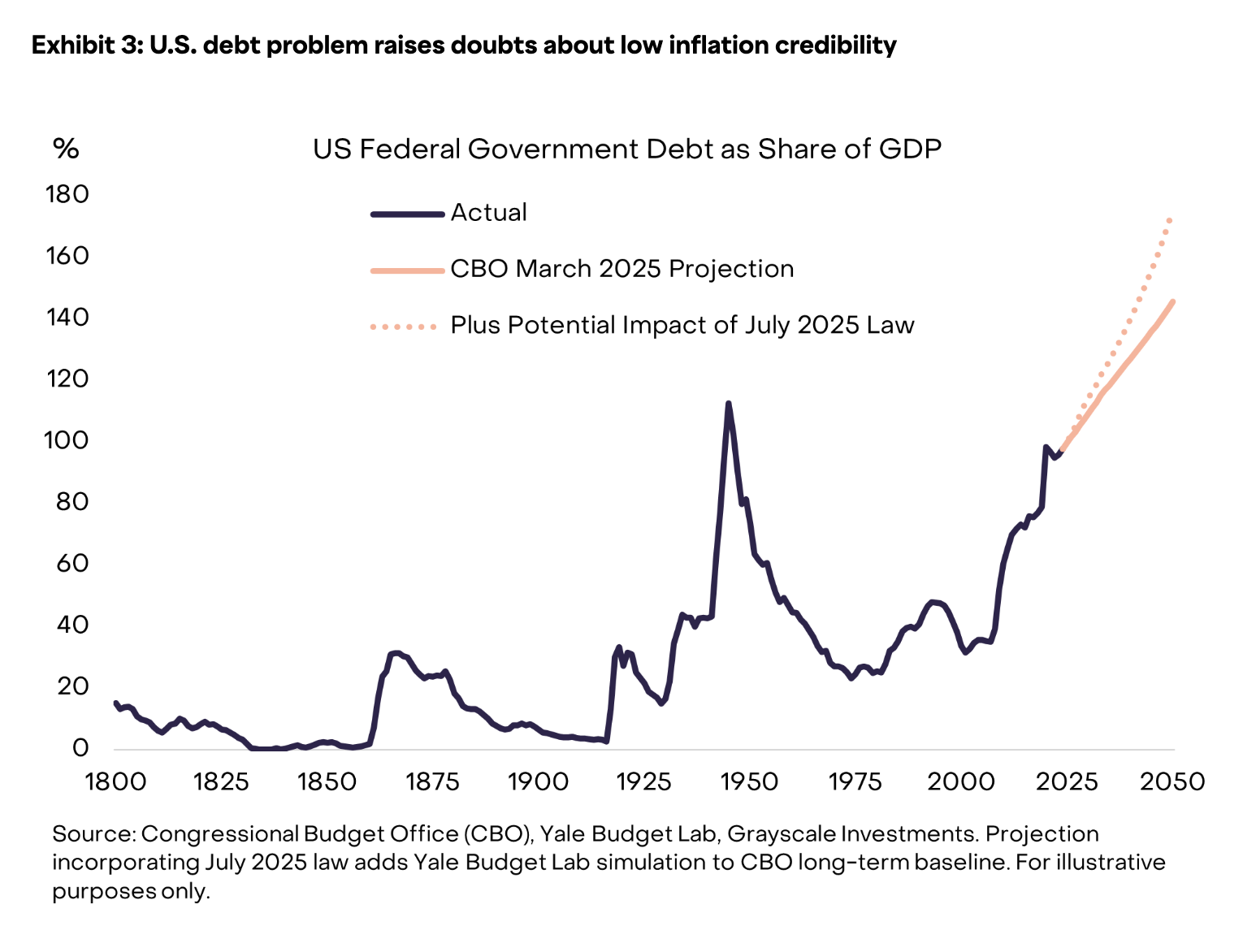
On Monday, US-based Grayscale Investments predicted that BTC’s price would reach a new record high in the first half of 2026, citing a growing macro demand due to currency debasement and a supportive regulatory environment in the US.
“Fiat currencies (and assets denominated in fiat currencies) face additional risks due to high and rising public sector debt and its potential implications for inflation over time,” Grayscale wrote in its latest report, adding:
“Scarce commodities — whether physical gold and silver or digital Bitcoin and Ether — can potentially serve as a ballast in portfolios for fiat currency risks.”
Bitcoin will enter a supercycle like commodities: Fidelity
Fidelity shared a similar bullish outlook in its 2026 crypto outlook report.
The investment firm discussed the odds of Bitcoin entering a “supercycle,” analogous to commodity supercycles in the 2000s that spanned nearly a decade.
Related: Bitcoin’s four-year cycle is intact, but driven by politics and liquidity: Analyst
Central to this view is what Chris Kuiper, Fidelity Digital Assets’ vice president of research, called an “entirely new cohort and class of investors,” which could support a longer market expansion than in past cycles.
“We’ve seen traditional money managers and investors begin to buy Bitcoin and other digital assets,” he said, adding:
“I think we’ve only scratched the surface in terms of the possible amount of money that they could bring into this space.”
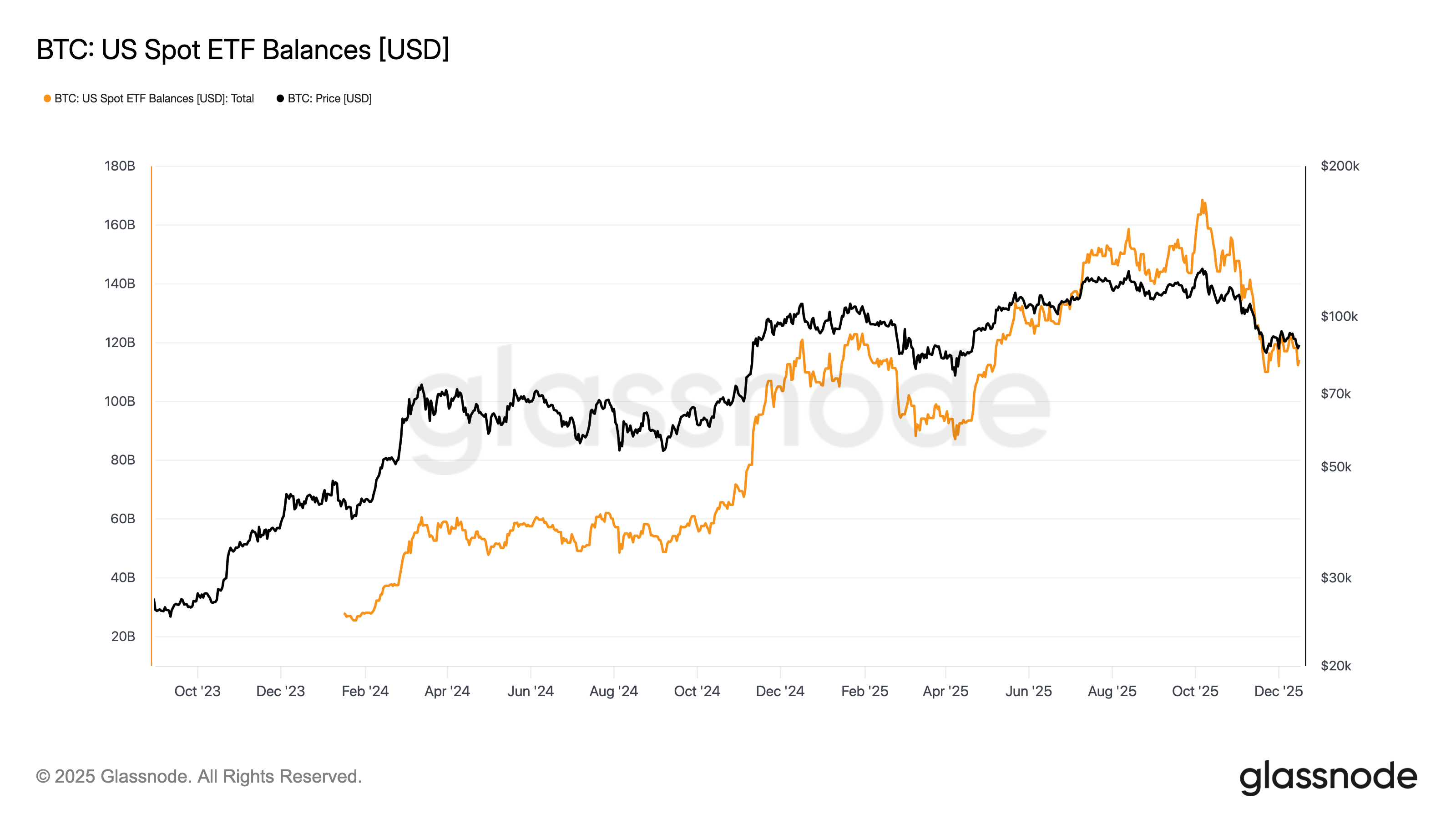
As of December, US Bitcoin ETFs backed by BlackRock, Fidelity, and others collectively held over 1.30 million BTC (~$114.13 billion), a 309% increase since their debut in January 2024.
At the same time, public companies held over 1.08 million (~$100.42 billion) in their treasuries, an investor cohort that hardly existed before 2020.
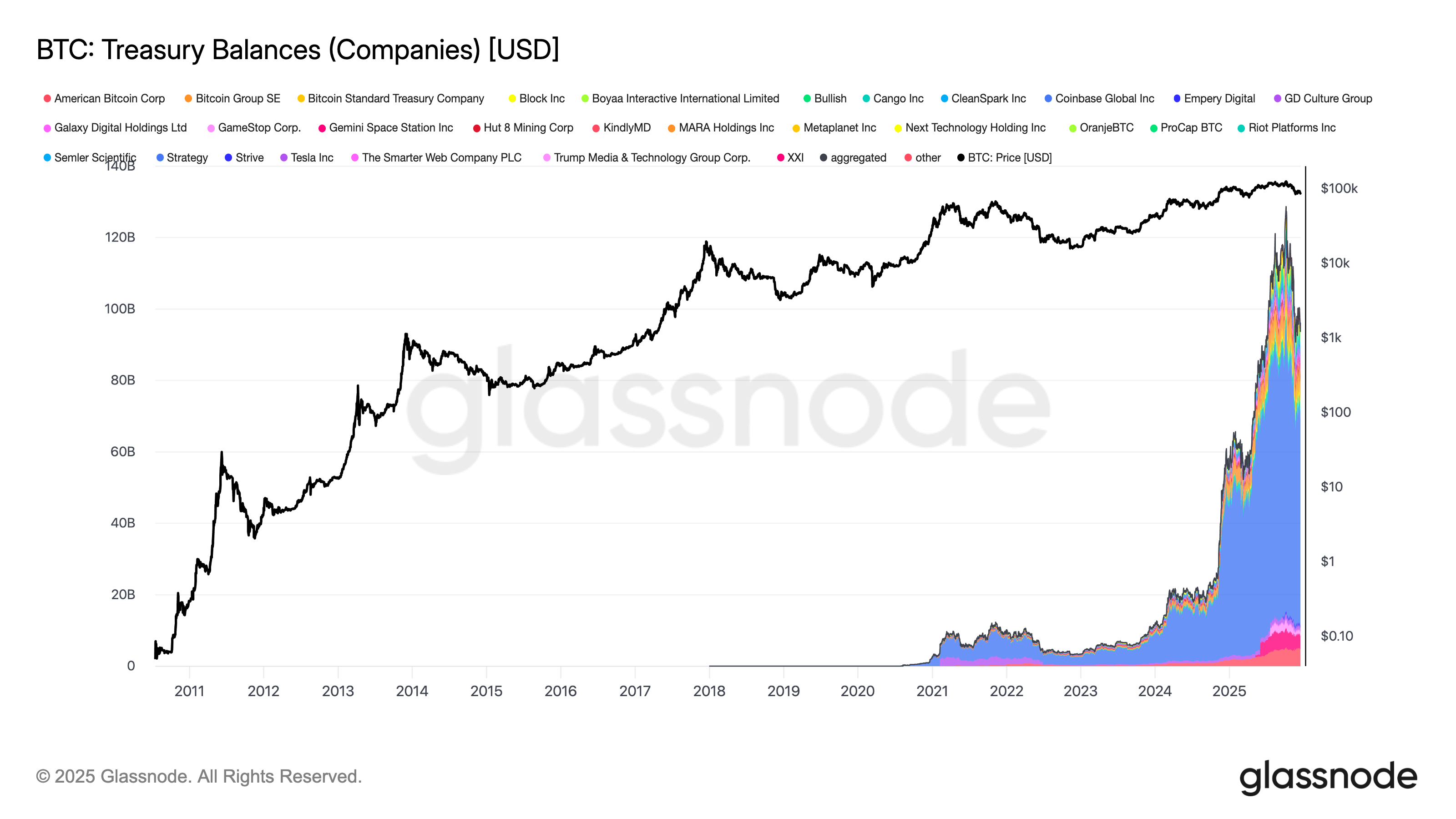
With Bitcoin miners’ role decreasing with each halving, new demand from ETFs and corporate treasuries may be altering the boom-and-bust dynamics that have historically defined Bitcoin’s four-year cycle.
This article does not contain investment advice or recommendations. Every investment and trading move involves risk, and readers should conduct their own research when making a decision. While we strive to provide accurate and timely information, Cointelegraph does not guarantee the accuracy, completeness, or reliability of any information in this article. This article may contain forward-looking statements that are subject to risks and uncertainties. Cointelegraph will not be liable for any loss or damage arising from your reliance on this information.
This article does not contain investment advice or recommendations. Every investment and trading move involves risk, and readers should conduct their own research when making a decision. While we strive to provide accurate and timely information, Cointelegraph does not guarantee the accuracy, completeness, or reliability of any information in this article. This article may contain forward-looking statements that are subject to risks and uncertainties. Cointelegraph will not be liable for any loss or damage arising from your reliance on this information.