



The number of Bitcoin (BTC) nodes signaling support for Bitcoin Improvement Proposal 110 (BIP-110), a temporary soft fork limiting the amount of data included in each transaction at the consensus level, rose to 2.38%.
583 out of 24,481 nodes are running BIP-110, and the primary node software implementation for running the soft fork proposal is Bitcoin Knots, according to The Bitcoin Portal.
BIP-110 limits the size of transaction outputs to 34 bytes and caps the OP_RETURN data limit to 83 bytes. The temporary soft fork will be deployed for 1 year, with possible extension or alteration after the 1-year term, according to the proposal’s GitHub page.
OP_RETURN is a script code that allows users to embed arbitrary data and has been the subject of intense debate within the Bitcoin community following the release of Bitcoin Core version 30, the latest upgrade of the most widely used Bitcoin node software.
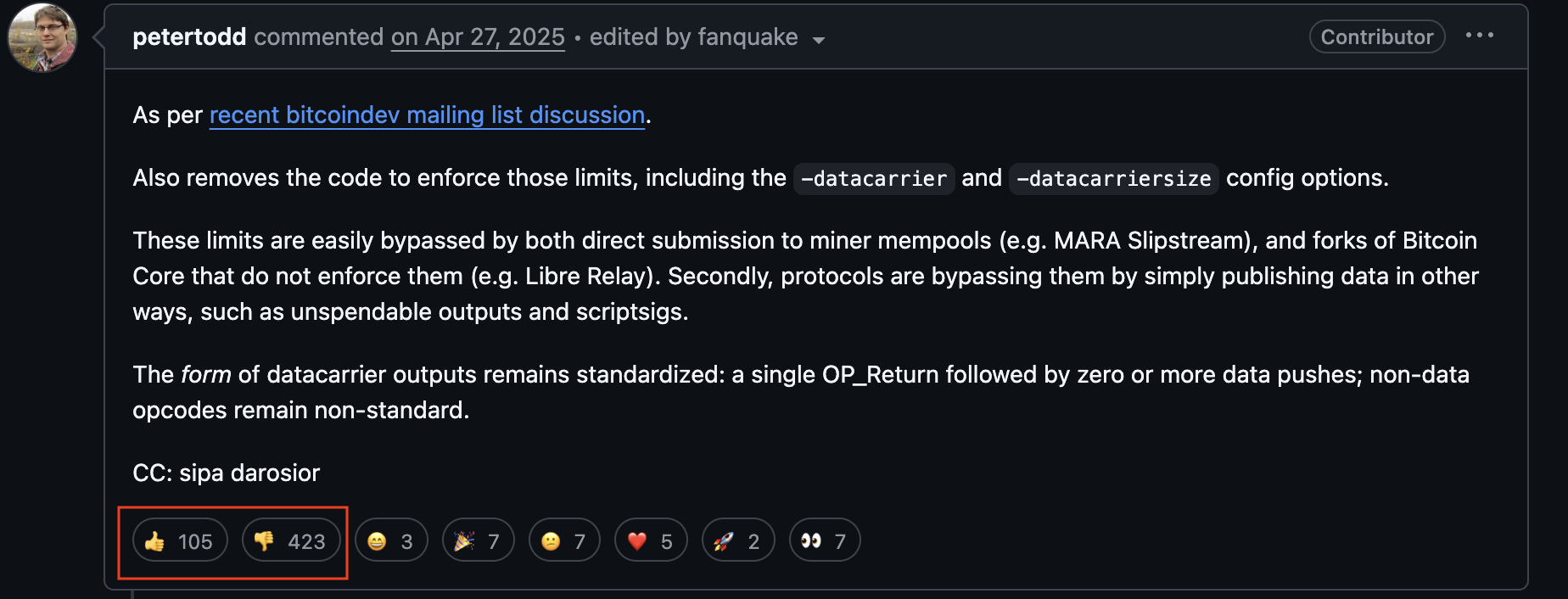
The OP_RETURN limit was capped at 83 bytes, which Bitcoin Core developers unilaterally removed in Bitcoin Core version 30, following a controversial pull request, first proposed in April 2025. The proposal was generally opposed by the Bitcoin community.
Related: Bitcoiners reject quantum computing fears as cause of price slump
The arbitrary data issue creates a divide within the Bitcoin community
The Bitcoin Core update that removed the data limit went live in October 2025, sparking a torrent of negative feedback from critics, who say that removing the arbitrary data limit incentivizes spam on the Bitcoin ledger.
Arbitrary data increases the storage costs of running a Bitcoin node, and the prohibitive cost leads to increased centralization of the Bitcoin network.
Bitcoin nodes can be run on consumer-grade computers, unlike high-throughput blockchains that generate large quantities of data and require specialized hardware.
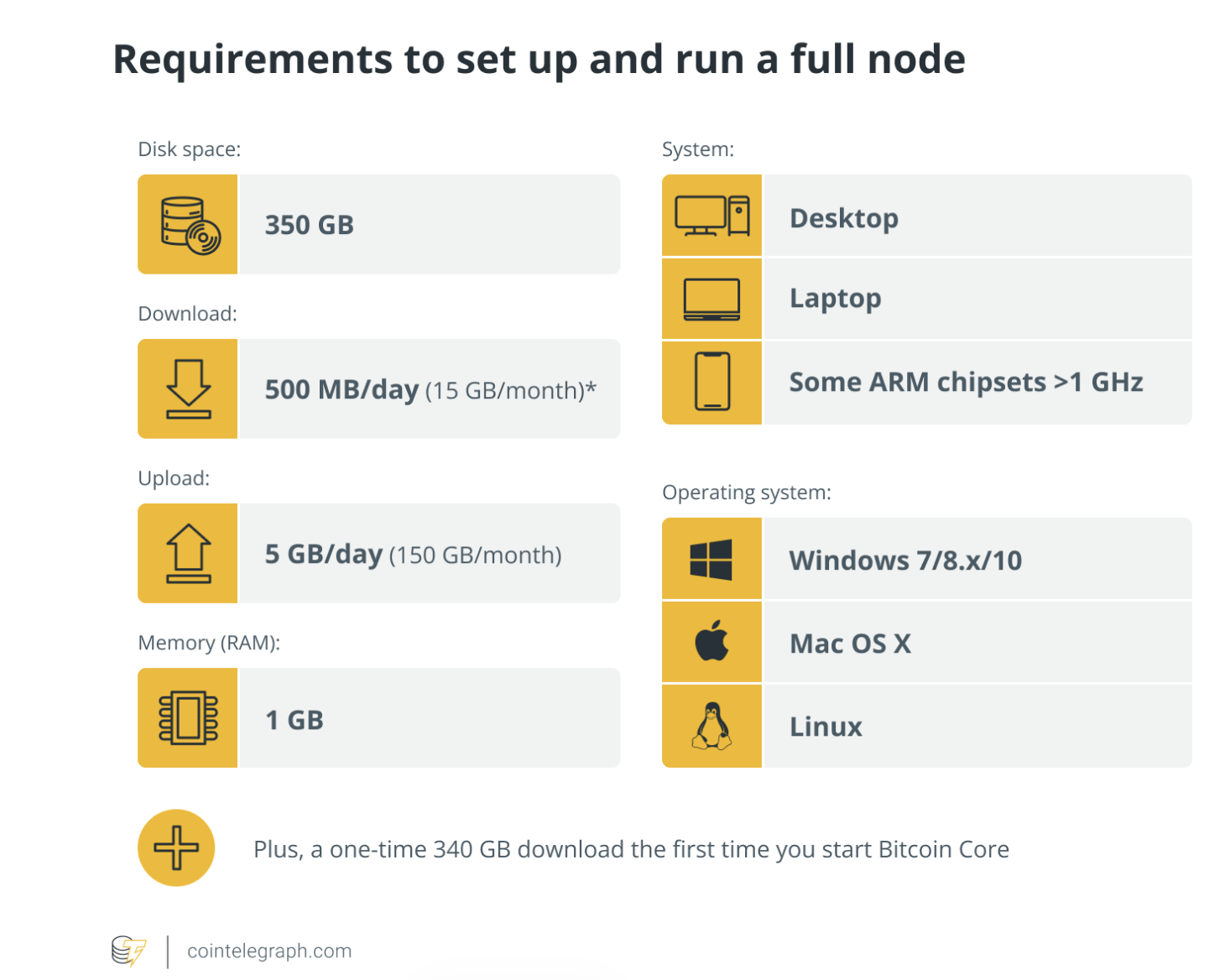
Increasing node hardware requirements undermines the Bitcoin protocol’s value proposition of being a decentralized monetary network, according to critics. Bitcoin advocate and educator Matthew Kratter said:
“It’s like one of those parasitical plants, like ivy, completely covering a tree, eating up the tree, and then the inner scaffolding collapses, and the ivy collapses because it’s basically destroyed the structure. This is what spam has the potential to do to Bitcoin.”
Others like Jameson Lopp, a Bitcoin Core contributor, support the uncapped OP_Return Limit, arguing that filters do little to stop spam on the network.
Magazine: Big questions: Would Bitcoin survive a 10-year power outage?