



The Bitcoin network mining difficulty, a metric tracking the relative challenge of adding new blocks to the Bitcoin (BTC) ledger, fell by about 11.16% in the last 24 hours, the worst drop in a single adjustment period since China’s 2021 ban on crypto mining.
Bitcoin mining difficulty is at 125.86 T and took effect at block 935,429, data from CoinWarz shows. The average block time is over 11 minutes, overshooting the 10-minute target.
Difficulty is projected to fall again in the next adjustment on February 23 by about 10.4% to 112.7 T, according to CoinWarz.
China announced a ban on crypto mining and began enforcing a crackdown on digital assets in May 2021, resulting in several downward difficulty adjustments between May and July 2021, ranging from 12.6% to 27.9%, according to historic data from CoinWarz.
The steep downward adjustment came amid a broad crypto market downturn, which crashed the price of Bitcoin by over 50% from the all-time high of over $125,000 to a low of $60,000, and a winter storm in the US that caused temporary miner downtime.
Related: Bitcoin’s ‘miner exodus’ could push BTC price below $60K
Winter Storm Fern sweeps through the US and curtails miner hashrate
A severe winter storm swept through the United States in January, impacting 34 states across 2,000 square miles with snow, ice and freezing temperatures that disrupted electrical infrastructure.
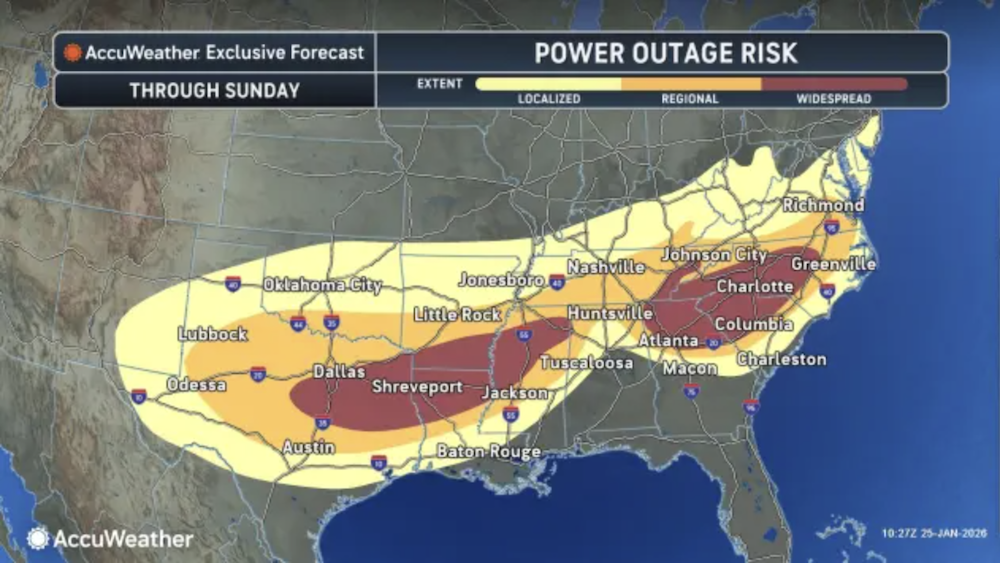
The disruption to the power grid caused US-based Bitcoin miners to temporarily curtail their energy usage and halt operations, reducing the total network hashrate, the amount of computational power expended by miners to secure the Bitcoin protocol.
Foundry USA, a US-based mining pool and the biggest mining pool by hashrate in the world, briefly lost about 60% of its hashing power amid winter storm Fern.
The mining pool’s total hashing power declined from nearly 400 exahashes per second (EH/s) to about 198 EH/s in response to the storm.
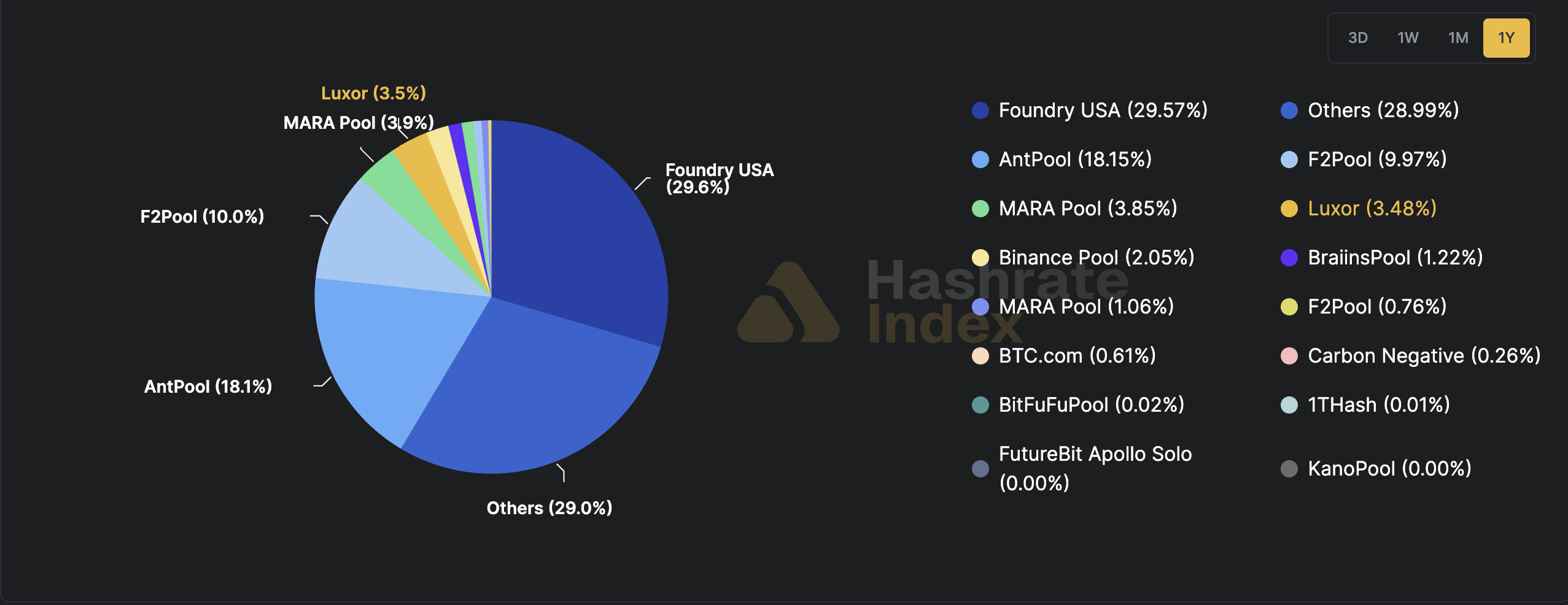
Foundry USA’s hashrate recovered to over 354 EH/s, the mining pool’s hashing power at the time of this writing, and it still commands 29.47% of the market share, according to Hashrate Index.
However, the total Bitcoin network hashrate declined to a four-month low in January amid deteriorating crypto market conditions and miners shifting operations to AI data centers and other forms of high-performance computing.
Magazine: Bitcoin mining industry ‘going to be dead in 2 years’: Bit Digital CEO

