



World Liberty Financial, a decentralized finance project linked to the family of US President Donald Trump, has entered the cryptocurrency lending market, highlighting renewed interest in onchain credit as regulatory clarity improves.
The new product, called World Liberty Markets, launched on Monday and allows users to borrow and lend digital assets, according to a Bloomberg report. The platform is built around USD1, World Liberty’s US dollar–backed stablecoin, alongside its governance token, WLFI.
Users can post collateral, including Ether (ETH), a tokenized version of Bitcoin (BTC) and major stablecoins such as USD Coin (USDC) and Tether (USDT). The platform is designed to support both lending and borrowing activity within a single onchain marketplace.
World Liberty co-founder Zak Folkman told Bloomberg that additional collateral types will be added over time, potentially including tokenized real-world assets (RWAs). He also said the company is exploring partnerships with prediction markets, cryptocurrency exchanges and real estate platforms.
The lending rollout follows World Liberty’s recent application for a national trust bank charter with the US Office of the Comptroller of the Currency. The company has said the charter would support broader adoption of USD1, which is already being used for cross-border payments and treasury operations.
Related: Crypto’s 2026 investment playbook: Bitcoin, stablecoin infrastructure, tokenized assets
Renewed demand for crypto borrowing and lending
As digital assets move further into the financial mainstream, demand for crypto-based borrowing and lending is picking up again, as investors seek new ways to unlock liquidity without selling their holdings.
This renewed interest is emerging alongside clearer regulatory frameworks and a more mature industry infrastructure. Importantly, many of the most damaging failures from previous market cycles, including the collapse of BlockFi and Celsius, stemmed from centralized business models, opaque risk management and excessive leverage, rather than from blockchain infrastructure itself.
Market participants argue that improved transparency, onchain risk controls and regulatory oversight may help prevent similar breakdowns.
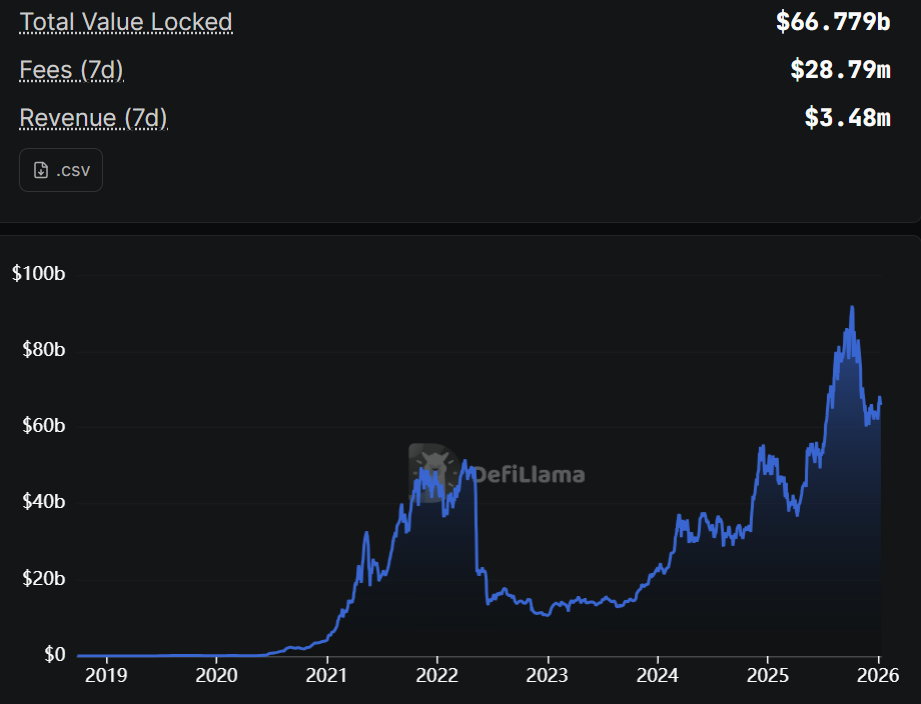
Crypto lending is now re-emerging in multiple forms. Digital asset lending firm Nexo, for example, offers zero-interest borrowing products that allow Bitcoin and Ether holders to take out loans against their assets, reflecting continued demand for collateralized credit.
Activity is also increasing within decentralized finance. Babylon recently received $15 million from a16z Crypto to expand its Bitcoin-native lending infrastructure. The funding underscores growing investor interest in building lending markets that operate directly on blockchain networks rather than through centralized intermediaries.
Related: Stablecoins, sanctions and surveillance: Why 2025 reshaped crypto’s regulatory reality

