



Key takeaways:
-
Stablecoin concerns, regulatory pressure, and reduced risk appetite among traders weighed more on Bitcoin than Japan’s bond-market moves.
-
Reduced confidence in global growth and stress on digital asset reserve companies amplified BTC selling and subsequent stop losses.
Bitcoin (BTC) price dropped sharply on Sunday after failing to overcome $92,000. The slide to $84,000 on Monday wiped out $388 million in bullish leveraged positions, leaving analysts searching for a clear explanation. A mix of factors contributed to the sell-off and pushed traders toward a more cautious stance.
Some analysts quickly tied Bitcoin’s drop to turbulence in the Japanese bond market where yields on 20-year notes climbed to their highest level in 25 years.
Higher yields generally signal that investors are less willing to buy those bonds at current prices, whether due to concerns about inflation or rising government debt. Although the moves occurred on the same day, drawing a direct link is challenging, especially since the 30-day correlation has fluctuated between positive and negative throughout the year.
Japan’s market stress may also reflect deteriorating global economic expectations. Trader Jim Chanos, famous for predicting the fall of Enron during the dot-com bubble in 1999, highlighted in a recent interview with Yahoo Finance the growing risks tied to GPU-backed debt issued by cloud AI companies.
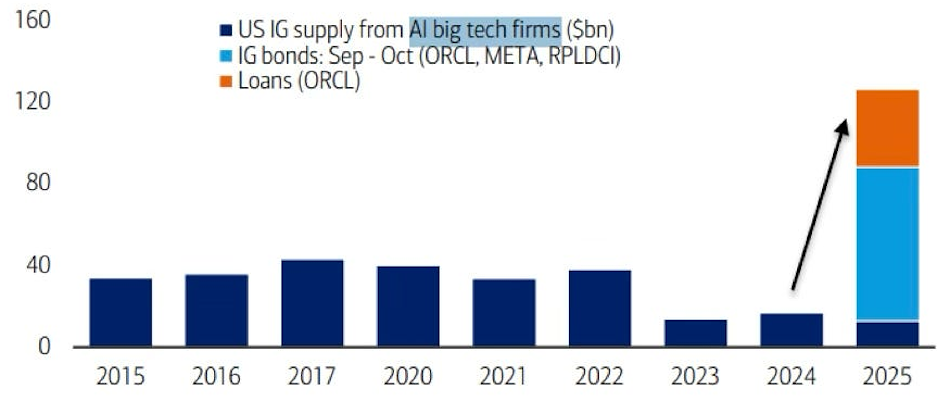
According to Chanos, “a lot of the AI companies […] are just loss-making enterprises right now,” and if this does not change, “there is going to be debt defaults.” The financing trend that uses GPUs as collateral was pioneered by CoreWeave (CRWV US), according to Yahoo Finance, and has been accompanied by Nvidia’s (NVDA US) large investments in the cloud sector.
Related: Does GENIUS turn stablecoin issuers into stealth buyers of US debt?
Regulatory uncertainty adds to crypto market unease
Another source of unease came from the regulatory environment, even if not directly tied to Bitcoin. When traders sense that governments are tightening their stance on cryptocurrencies, many investors become less willing to increase exposure. So, even without direct consequences for Bitcoin itself, overall sentiment can turn negative.
Reuters reported on Saturday that China’s central bank reaffirmed its strict approach toward digital assets, pledging to intensify its crackdown on illegal activity. The People’s Bank of China (PBOC) reportedly said that stablecoins “were being used for illegal activities including money laundering, fraud, and unauthorized cross-border fund transfers.”
The 23% Bitcoin price decline over the past 30 days has disrupted how strategic digital-asset reserve companies operate. Until recently, they had strong incentives to issue stock at market prices and use the proceeds to buy Bitcoin, but that approach breaks down once a company trades below its net asset value.
Strategy (MSTR US) CEO Phong Le said in an interview that the company would only consider selling its Bitcoin if mNAV remains depressed and every other funding option has been exhausted. Although fears spread over the weekend, Strategy announced on Monday that it successfully raised $1.44 billion in cash to support dividend payments and service its debt obligations.
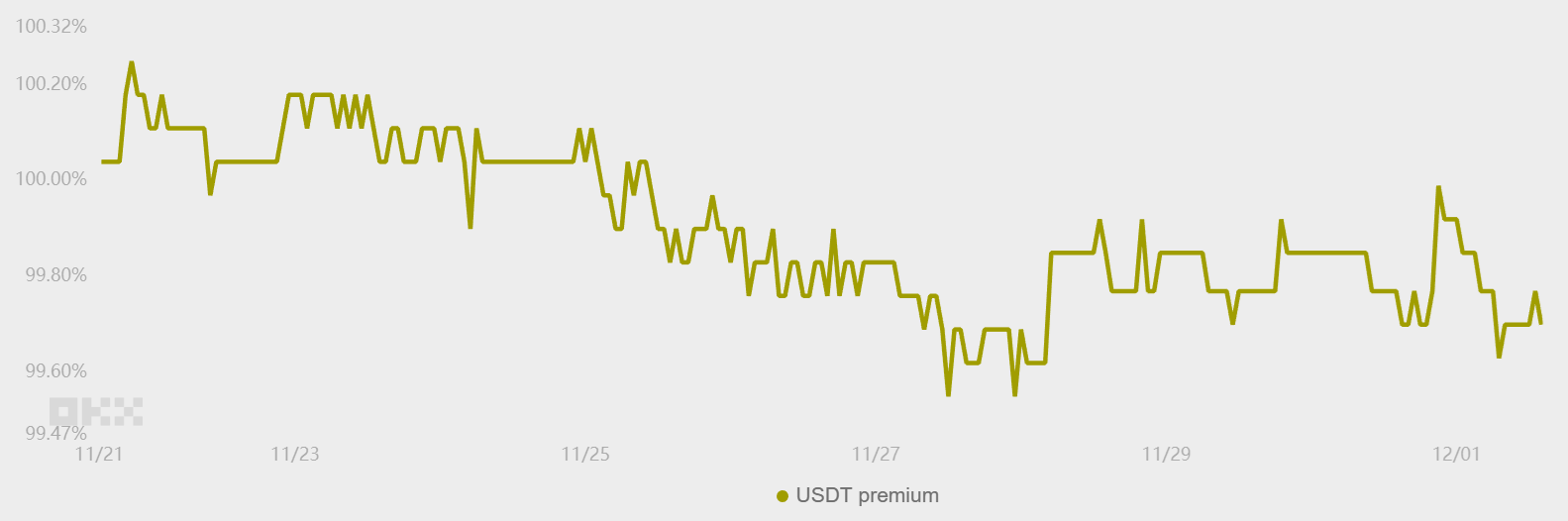
In parallel, S&P Global Ratings downgraded Tether (USDT) stablecoin reserves to the weakest level possible on Wednesday. USDT soon began trading at a 0.4% discount relative to the official USD/CNY rate in China, signaling moderate selling pressure.
Analysts cited “persistent gaps in disclosure” and “limited information on the creditworthiness of its custodians, counterparties, or bank account providers.” Whether or not the criticism is fully justified, given that Tether does not operate like a traditional bank, the move still hurts cryptocurrency traders’ risk appetite.
Bitcoin’s crash to $84,000 on Monday reflects broader concerns around the stablecoin sector and fading confidence in global economic prospects, rather than any specific issue in Japan’s government bond market.
This article is for general information purposes and is not intended to be and should not be taken as legal or investment advice. The views, thoughts, and opinions expressed here are the author’s alone and do not necessarily reflect or represent the views and opinions of Cointelegraph.