



Swissquote, the online trading platform behind the crypto-friendly Yuh app, has been ordered by Swiss regulators to reduce the number of phishing and impersonation attempts targeting its platforms.
More than 600 websites impersonating Swissquote platforms or attempting to defraud users through fraudulent login portals were discovered in the first half of 2025, according to Bloomberg.
The Swiss Financial Market Supervisory Authority (FINMA) cited the Yuh platform, which also features crypto trading, as a major target of fraud campaigns perpetrated by scammers.
Swissquote CEO Marc Buerki attributed the uptick in fraudulent activity to AI, which makes malicious campaigns easier to launch. The CEO also said that no internal systems were compromised by the fake websites.
Cointelegraph reached out to the company but hadn’t received a response at time of publication.
Scams continue to be a problem for the crypto industry, costing users billions of dollars in collective losses annually and discouraging prospective market participants from holding digital assets.
Related: Trezor warns users about phishing emails mimicking customer support
Scammers shift focus to deceiving users rather than manipulating code
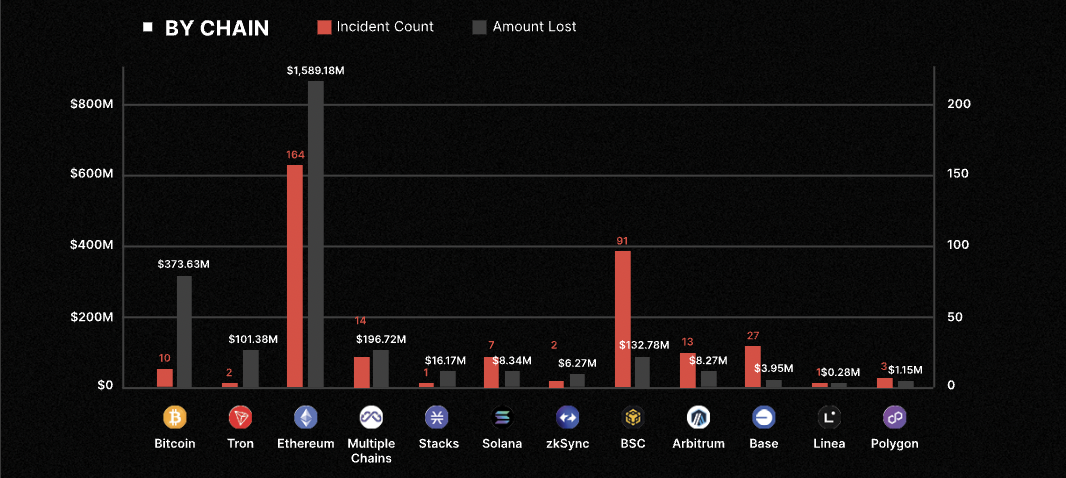
“Thus far in 2025, onchain incidents have led to [around] $2.1 billion in losses. The majority of losses have come from wallet compromises and phishing, with an increase in data leaks it’s important to remain vigilant,” cybersecurity firm CertiK wrote in May.
Phishing attacks, social engineering campaigns, fraudulent websites, online impersonation and address poisoning scams are some of the most common methods employed by threat actors to deceive users and steal funds.
An elderly individual was the target of a $330 million heist in April through a social engineering scam, according to onchain detective ZachXBT. The theft was ranked as the fifth-largest crypto loss in history.
Even seasoned industry veterans are falling prey to sophisticated social engineering scams. In June, crypto venture capitalist Mehdi Farooq, an investment partner at Hypersphere, disclosed that he was the victim of a phishing attack that drained the majority of his life savings.
Magazine: Fake Rabby Wallet scam linked to Dubai crypto CEO and many more victim